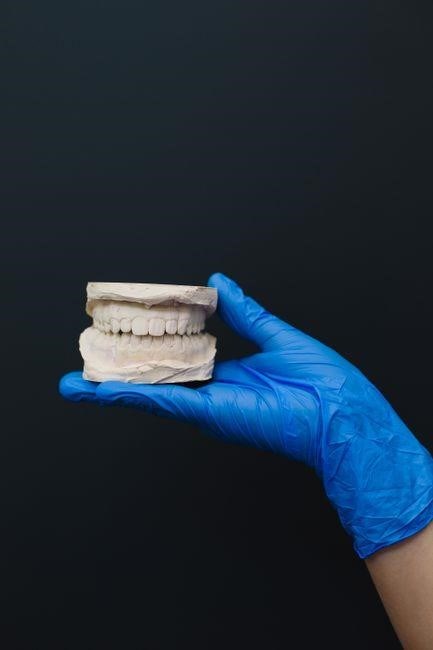
Choosing denture teeth shapes starts with understanding that modern options range from classic straight to conical‚ rounded‚ or custom 3D‑printed forms․ Immediate dentures protect gums while permanent ones are fabricated‚ ensuring a natural smile and functional bite from day one․ They fit jaw changes!
Importance of Tooth Shape
Tooth shape is the cornerstone of a denture’s aesthetic and functional performance․ A well‑designed contour mimics natural enamel‚ guiding light to create a lifelike reflection that blends seamlessly with surrounding tissues․ Functionally‚ the shape dictates how the denture engages the tongue‚ cheeks‚ and lips‚ influencing speech clarity and comfort during mastication․ Subtle variations in curvature and angulation can prevent unwanted pressure points‚ reducing the risk of sore spots and promoting even distribution of chewing forces․ Moreover‚ the chosen geometry affects the stability of the denture by optimizing contact with the alveolar ridge‚ thereby minimizing tipping or sliding during movement․ The interplay between tooth shape and the surrounding soft tissues also determines how saliva is directed‚ impacting taste perception and oral hygiene․ When the contours are too flat‚ the denture may feel loose‚ whereas overly pronounced angles can create friction and irritation․ Dental technicians use precise measurements and visual references to sculpt each tooth‚ ensuring that the final arrangement aligns with the patient’s unique anatomy․ In sum‚ the precise selection of tooth shape is essential for achieving a natural appearance‚ preserving oral health‚ and ensuring long‑term patient satisfaction․ A thoughtfully chosen shape not only restores confidence but also supports the functional integrity of the entire oral system‚ making it a critical decision in every denture fabrication process․ and enhances oral comfort oday
Historical Evolution
Early dentures‚ fashioned from wood‚ ivory‚ and animal horn‚ offered only rudimentary shapes that mimicked the broad outlines of missing teeth․ By the 19th century‚ porcelain and gold leaf began to replace these materials‚ allowing for more refined‚ straight‑lined contours that improved both appearance and function․ The advent of dental plaster impressions in the early 1900s enabled technicians to capture precise jaw anatomy‚ leading to the first true “custom” tooth shapes that followed the natural curvature of the arch․ Mid‑century innovations introduced acrylic resin‚ which could be molded into conical or rounded forms‚ giving patients a lighter‚ more comfortable fit․ In the late 20th and early 21st centuries‚ computer‑aided design and 3D printing revolutionized the field‚ permitting highly individualized shapes that replicate the patient’s unique smile line and functional dynamics․ Today‚ hybrid designs blend traditional straight and conical profiles with advanced biomimetic textures‚ ensuring optimal aesthetics‚ stability‚ and longevity․ This evolution reflects a continuous quest to balance form‚ function‚ and patient comfort in denture fabrication․ Modern clinicians now consider the interplay between tooth shape‚ occlusal scheme‚ and soft tissue response‚ using digital scans to fine‑tune each contour․ The result is a denture that not only looks natural but also performs like natural dentition‚ reducing the need for future adjustments․ As materials science advances‚ we anticipate even more sophisticated shapes that mimic the translucency and micro‑texture of real enamel‚ further blurring the line between prosthetic and biological teeth․ Future research will explore adaptive materials that respond to temperature and pressure‚ further enhancing the realism of denture teeth and comfort!!
Factors for Selection
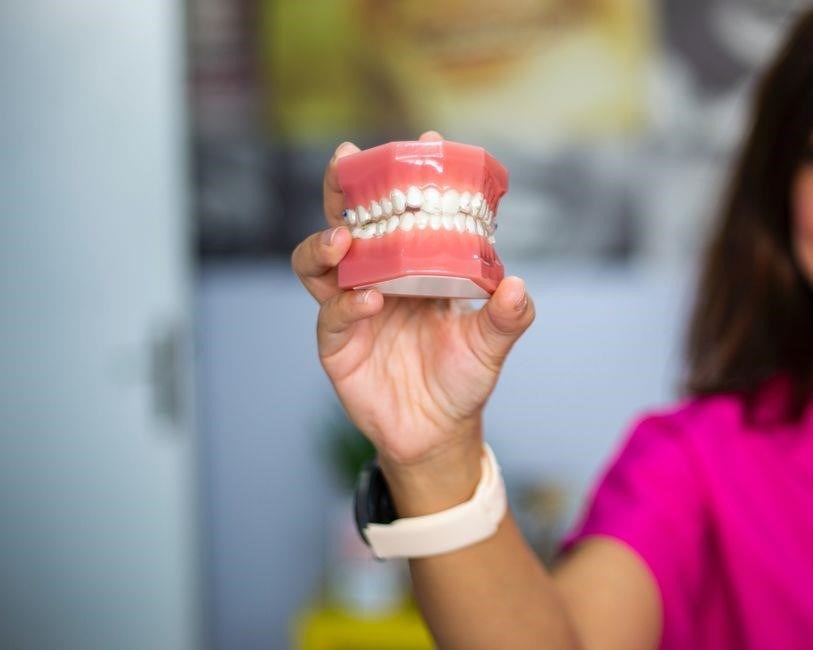
Dentist evaluates natural tooth anatomy‚ jawbone density‚ ridge shape‚ and facial profile to choose the right denture teeth shape․ Functional needs‚ chewing habits‚ and lifestyle guide whether straight‚ conical‚ or custom 3D‑printed forms provide optimal fit and comfort now and confidence always now․
Natural Tooth Anatomy
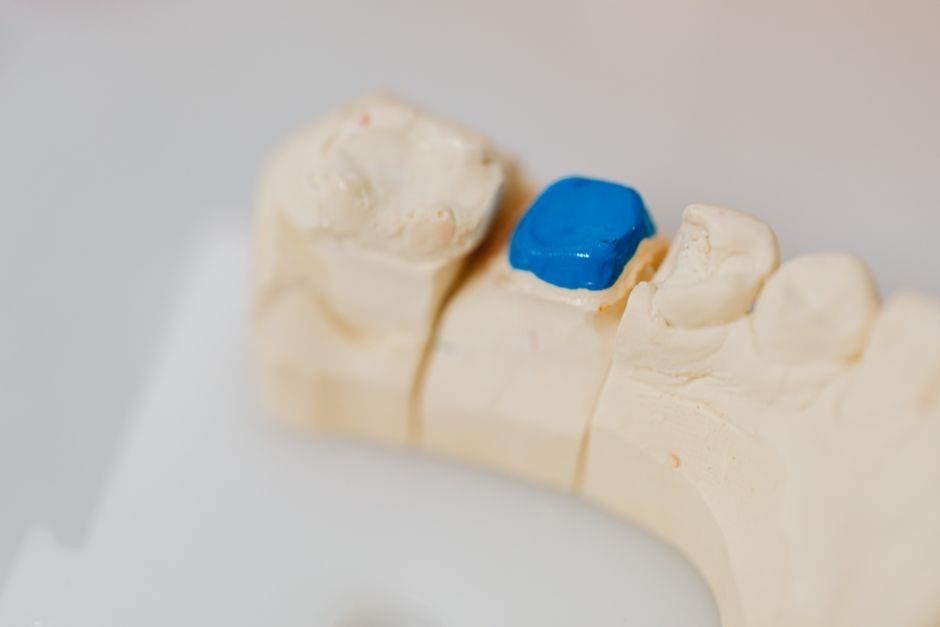
Natural tooth anatomy guides denture design․ The crown’s width‚ length‚ and height‚ along with the incisal edge‚ cusp tips‚ and root‑to‑crown ratio‚ influence how a denture tooth should appear and function․ Upper incisors are typically longer and more slender‚ while lower incisors are shorter‚ broader‚ and slightly rotated to accommodate the lower jaw’s shape․ Canines have a pronounced cusp and a distinct root‚ providing a strong anchoring point for the denture․ Premolars and molars feature multiple cusps and a broader occlusal surface‚ which must be replicated to preserve chewing efficiency and bite symmetry․ The enamel’s natural translucency and the dentin’s underlying color affect the shade selection‚ ensuring a seamless blend with adjacent natural teeth․ Additionally‚ the periodontal ligament’s flexibility allows slight movement; a denture must mimic this by using a slightly rounded edge to avoid excessive pressure on the alveolar ridge․ By studying these anatomical nuances‚ a dentist can select a denture tooth shape—straight‚ conical‚ or custom—that matches the patient’s natural dentition‚ maintaining functional harmony and aesthetic authenticity․ very When evaluating natural tooth anatomy‚ dentists also assess enamel thickness‚ occlusal curvature‚ and root angulation․ These factors influence how a denture tooth should sit and move․ The gingival margin shape and ridge height guide the selection of a shape that avoids over‑extension ensures comfort․ Measurement of these anatomical details guarantees that the fabricated denture teeth match the patient’s natural dentition in a manner!
Jawbone and Ridge Conditions
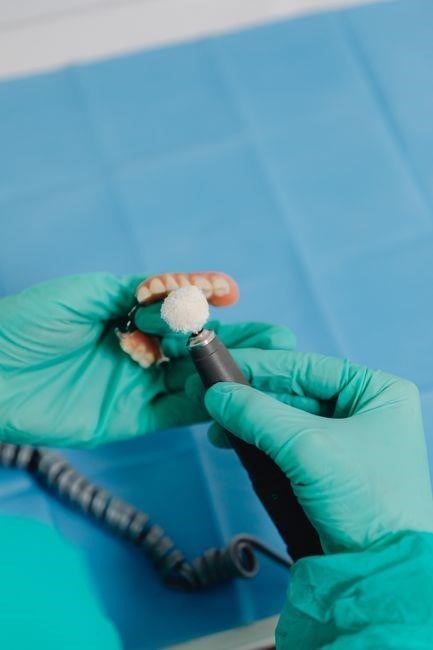
Dentists often employ diagnostic wax‑ups and digital scans to evaluate ridge height‚ width‚ and contour․ By mapping the alveolar crest’s topography‚ they can determine whether a straight‚ conical‚ or rounded tooth will best accommodate the patient’s anatomy․ A narrow ridge may necessitate a slimmer tooth to preserve interdental papillae and avoid food impaction‚ whereas a wide ridge can support a broader tooth that mimics the original molar bulk․ Bone density also plays a crucial role; dense bone allows for more aggressive tooth shapes‚ while resorbed bone requires gentler‚ more tapered designs to reduce pressure on the underlying ridge․ The presence of buccal or lingual bone loss influences tooth angulation‚ often requiring a more angled shape to align with the remaining bone and prevent tipping․ Additionally‚ the ridge’s curvature—whether convex or concave—dictates the occlusal surface contour needed for efficient mastication․ By integrating these anatomical insights‚ the chosen denture tooth shape not only restores function but also respects the patient’s unique jawbone and ridge conditions‚ ensuring long‑term comfort and stability․ Moreover‚ clinicians tailor the tooth’s thickness to match the residual ridge’s resilience‚ preventing over‑loading and enhancing longevity!!!!
Facial Profile and Smile Line
When selecting denture teeth‚ the clinician first examines the patient’s facial proportions‚ lip support‚ and the visible smile arc during rest and dynamic expression․ A high smile line may expose more gingival tissue‚ requiring a tooth shape that mimics natural gingival margins‚ often a slightly rounded or conical form that follows the smile curve․ Conversely‚ a low smile line allows for straighter‚ more vertical tooth outlines that emphasize the incisal edge․ Lip thickness and competency influence the choice of tooth width; thin lips may benefit from narrower‚ tapered shapes that avoid a bulky appearance‚ while thicker lips can accommodate broader‚ fuller teeth that enhance the perceived fullness of the smile․ The vertical dimension of occlusion is adjusted to match the patient’s inter‑labial gap‚ ensuring that the chosen tooth shape aligns with the natural lip line and preserves facial height․ Additionally‚ the clinician considers the patient’s profile—whether the nose and chin create a convex or concave facial outline—and selects tooth shapes that harmonize with these contours‚ avoiding a “stretched” look․ By synchronizing the tooth shape with the smile line and facial profile‚ the denture achieves a natural aesthetic that blends seamlessly with the patient’s unique facial anatomy․ This tailored approach also improves phonetics‚ as the tooth form supports proper tongue placement and airflow during speech․ The final tooth shape is also adjusted to accommodate the patient’s habitual chewing patterns‚ ensuring that the denture’s occlusal surfaces provide both stability and comfort during mastication․ Moreover‚ the aesthetic outcome is verified through a mock‑up session‚ allowing the patient to evaluate the smile in various lighting conditions before final placement!!
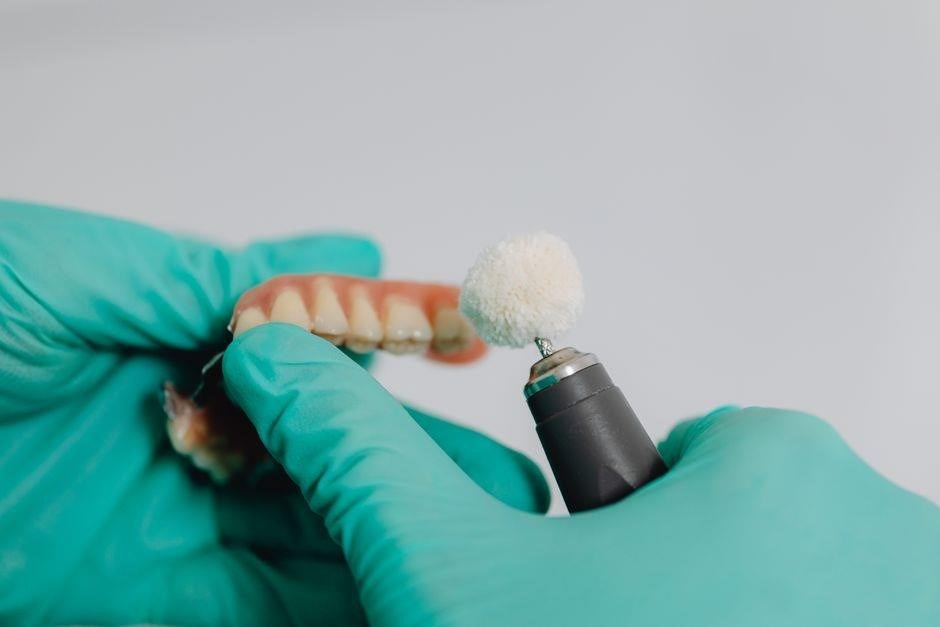
Functional Needs and Lifestyle
Functional needs and lifestyle dictate the optimal denture tooth shape․ Active individuals who engage in sports or heavy manual labor may prefer conical or hybrid designs that resist wear and provide a stable bite‚ while those who consume a soft diet can benefit from rounded‚ low‑friction surfaces that reduce chewing effort․ The shape also influences the distribution of occlusal forces; straight‑edge teeth deliver a more uniform load‚ whereas tapered designs redirect pressure toward the central ridge‚ minimizing ridge resorption․ For patients with a history of bruxism‚ a conical or slightly rounded profile can absorb lateral forces‚ protecting the underlying bone․ Lifestyle factors such as smoking‚ alcohol consumption‚ or a high‑protein diet affect saliva flow and plaque accumulation‚ which in turn impact the choice of tooth material and shape․ A dentist may recommend a hybrid shape that combines the durability of a straight edge with the natural appearance of a rounded incisal tip․ Additionally‚ the patient’s occupation—whether they require precise speech articulation or frequent chewing—guides the final tooth contour․ By aligning the denture tooth shape with the patient’s functional demands‚ the prosthesis offers comfort‚ longevity‚ and confidence in everyday activities․ Patients who consume hard foods or grind their teeth may benefit from a thicker tooth shape that resists fracture․ Regular follow‑ups allow the dentist to adjust the shape or replace worn surfaces‚ ensuring function aesthetics․
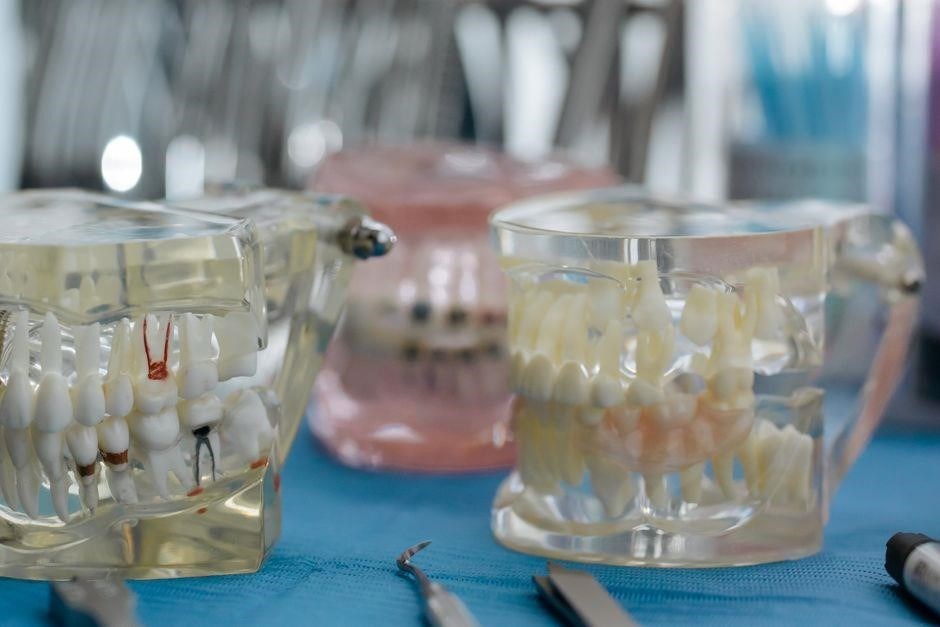
Common Tooth Shapes

Common denture tooth shapes include the straight‚ conical‚ rounded‚ and hybrid designs․ Straight teeth offer uniform bite‚ conical shapes resist wear‚ rounded forms reduce friction‚ and hybrids combine aesthetics with durability․ 3‑D printed custom shapes are emerging‚ allowing contouring for patient
Standard Straight Shape
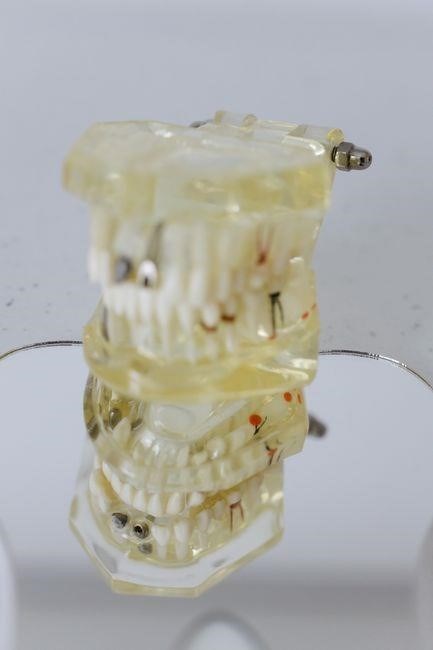
Standard straight denture teeth are the most traditional form‚ featuring a uniform‚ linear profile that mirrors natural incisors and canines․ Their straight edges provide a clean‚ symmetrical appearance and allow for even distribution of occlusal forces during chewing․ Because the shape is simple‚ it is easy to fabricate and adjust‚ making it a popular choice for patients who require a reliable‚ low‑maintenance option․ Straight teeth also facilitate speech clarity‚ as the uniform surface reduces the likelihood of tongue interference․ In many cases‚ the straight design is paired with a slight bevel on the incisal edge to mimic the natural tooth bevel‚ enhancing aesthetics while maintaining functional integrity․ Dentists often select this shape for patients who have a moderate to severe ridge resorption‚ as the straight profile can accommodate changes in the alveolar bone without compromising fit․ Additionally‚ straight teeth are versatile for both full and partial dentures‚ allowing for consistent appearance across the arch․ For patients who prefer a conservative approach‚ the standard straight shape offers a dependable‚ time‑tested solution that balances comfort‚ durability‚ and natural look․ Its simplicity also means fewer adjustments are needed over time‚ making it an economical choice for many patients seeking reliable oral function without the complexity of custom alternatives․ Ultimately‚ the straight denture tooth offers a timeless aesthetic that blends seamlessly with the patient’s existing oral environment for comfort․
Conical Shape
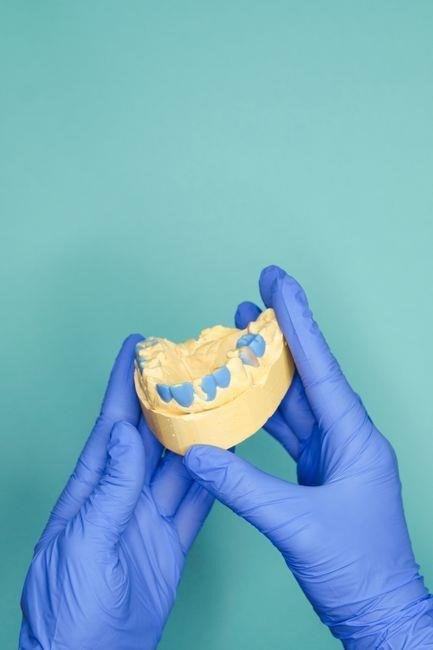
Conical denture teeth feature a tapered‚ cone‑like profile that narrows toward the incisal edge․ This design is inspired by the natural shape of many posterior teeth‚ especially molars‚ and offers several functional and aesthetic advantages․ The tapering surface promotes efficient chewing by directing food toward the center of the bite‚ reducing the need for excessive grinding․ Because the tooth narrows‚ it also creates a more natural shadow line on the gum‚ giving the denture a subtle‚ lifelike appearance․ Clinically‚ conical teeth are often chosen for patients with significant ridge resorption‚ as the tapered shape can accommodate changes in bone height without compromising stability․ The reduced bulk at the incisal edge also helps prevent pressure spots on the soft tissue‚ enhancing comfort during prolonged wear․ From an esthetic standpoint‚ the gradual transition from the crown to the root mimics the natural tooth contour‚ making it easier for the patient to blend the denture into their smile․ Additionally‚ the conical form allows for easier adjustment of occlusal relationships‚ as the dentist can fine‑tune the angle of the tooth to achieve optimal bite alignment․ In partial dentures‚ conical teeth can be strategically placed to guide the opposing natural teeth‚ improving overall function․ For patients who desire a more natural feel without the complexity of fully customized 3D‑printed designs‚ conical denture teeth provide a balanced solution that adapts well to varying oral conditions while maintaining a pleasing‚ functional bite․ This design ensures natural functional bite daily! Its tapered design also reduces gum irritation during long‑term useWell․ Ultimately‚ the conical shape offers a versatile option that adapts well to varying oral conditions while maintaining a pleasing‚ functional bite․
Rounded Shape
Rounded denture teeth are characterized by a smooth‚ bulbous crown that mimics the natural curvature of anterior teeth․ This design offers a gentle‚ continuous surface that reduces the risk of sharp edges irritating the gums or causing discomfort during speaking and chewing․ The rounded profile also provides a more forgiving occlusal contact‚ allowing the patient to adjust to the new bite with minimal adaptation time․ From an aesthetic perspective‚ the rounded shape creates a soft‚ natural transition between the tooth and the surrounding gingiva‚ which is especially beneficial for patients with thin or delicate gum tissues․ Clinically‚ rounded teeth are often selected for patients who have experienced significant bone loss‚ as the broader crown can distribute masticatory forces more evenly across the residual ridge‚ minimizing pressure points that could lead to further resorption․ Additionally‚ the rounded design facilitates easier cleaning and maintenance‚ as food particles are less likely to become trapped in sharp corners․ For partial dentures‚ rounded teeth can be strategically placed to enhance the stability of the prosthesis by providing a broader contact area with the opposing natural teeth․ The smooth contour also reduces the likelihood of plaque accumulation‚ promoting better oral hygiene․ In summary‚ rounded denture teeth combine functional comfort with aesthetic appeal‚ making them a popular choice for patients seeking a natural‚ low‑maintenance solution to restore their smile and chewing ability․ Patients often report a smoother chewing experience and a more confident smile‚rounded contours blend seamlessly with their natural dentition․ The design reduces the risk of gum irritation․ and us and today!
Hybrid and 3D Printed Custom Shapes
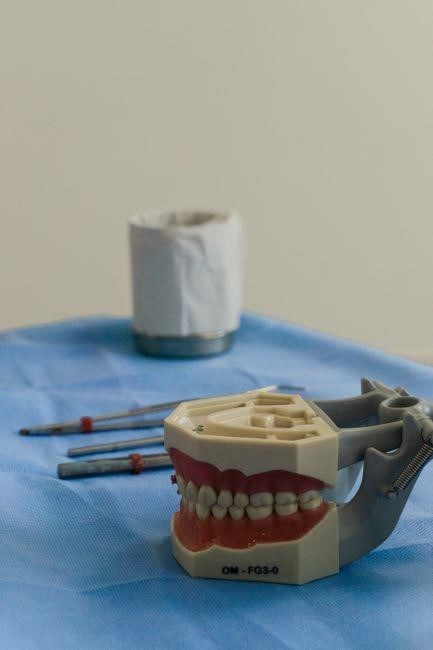
Hybrid denture teeth combine the best of conventional and digital fabrication․ The process starts with a high‑resolution scan of the patient’s mouth‚ capturing every ridge‚ cusp‚ and contour․ This digital model is then imported into specialized software where a dentist or technician designs a tooth that matches the patient’s unique anatomy and aesthetic preferences․ The design can incorporate subtle variations in tooth length‚ width‚ and angulation that are difficult to achieve with standard stock sets․ Once finalized‚ the custom tooth is printed using a biocompatible resin or ceramic material that closely mimics the translucency and color of natural enamel․ The 3D‑printed tooth is then polished‚ glazed‚ and fitted into the denture base‚ ensuring a seamless integration with the surrounding prosthetic structure․ Hybrid designs often feature a “true” occlusal surface that follows the patient’s functional bite‚ reducing the need for post‑delivery adjustments․ Because the tooth shape is tailored to the patient’s unique bite and jaw dynamics‚ the resulting denture offers improved stability‚ comfort‚ and chewing efficiency․ Moreover‚ the digital workflow allows for rapid prototyping‚ reducing the number of clinical visits and enabling immediate adjustments if the patient reports discomfort․ In addition‚ the ability to store digital records means future replacements or modifications can be made quickly‚ preserving the original design intent․ For patients with complex dental histories or those seeking a highly individualized aesthetic outcome‚ hybrid and 3D‑printed custom shapes represent the cutting edge of denture technology‚ blending precision engineering with personalized care․ During the design phase‚ the technician may also simulate the patient’s habitual chewing patterns‚ ensuring that the tooth’s cusps align with the opposing natural teeth․ The resulting prosthesis can be customized for color gradients that replicate the patient’s natural tooth shade‚ providing a seamless transition from front to back․ Patients often appreciate the reduced need for future relining‚ as the fit limits the accumulation of plaque and the risk of sore spots!!